Egg Quality After 35: What Actually Matters (And What Women Are Told Wrong)
The narrative around fertility after 35 is often griped with fear and urgency. You've likely heard the warnings—your biological clock is ticking, your eggs are aging, and time is running out. But here's what most women are not told. Age does affect egg quality, you have more control than you've been led to believe. The truth is more hopeful, and backed by science that empowers rather than frightens.
2/19/20262 min read


The Real Story About Egg n Quality Decline
Let's start with the facts. Yes, egg quality naturally declines with age, but this isn't a sudden cliff at 35. It's a gradual slope that varies dramatically between women. The quantity often gets confused with quality, but they're different measurements entirely. What matters most is chromosomal health, mitochondrial function, and the cellular environment surrounding your eggs.
While the quantity of eggs decreases predictably, quality decline is influenced by multiple factors you can actually affect. Your lifestyle, nutrition, stress levels, and environmental exposures play significant roles in determining egg health. This means the power isn't just in your age, it's in your hands.
Key Understanding
Egg quality isn't just about age, it's about cellular health, mitochondrial energy, and creating the optimal environment for your eggs to thrive.
What Most Doctors Don't Tell You
The conventional medical approach often focuses solely on age-related statistics, overlooking crucial factors that influence egg quality. Many women leave their doctor's office feeling helpless, armed only with discouraging numbers rather than actionable strategies. The reality is that egg quality can be optimized through targeted interventions, yet this empowering information rarely makes it into standard fertility consultations.
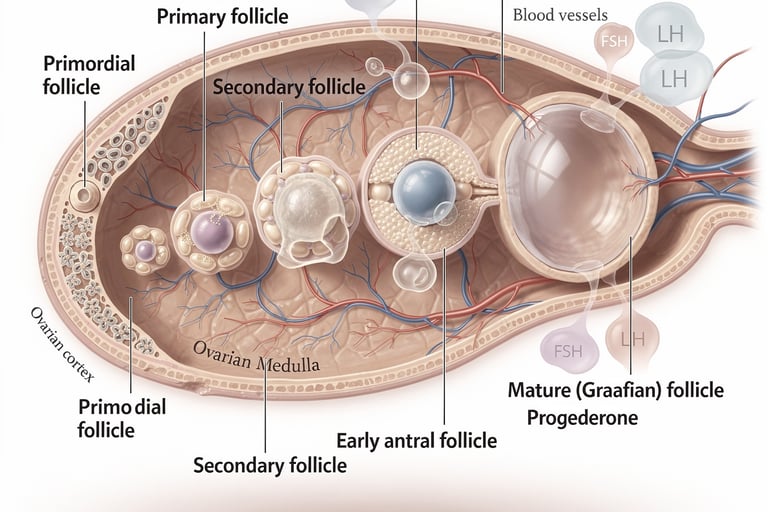
Studies published in leading reproductive medicine journals reveal that preconception care lasting just three to four months can significantly improve egg quality markers. This window of opportunity often called the "egg maturation period" is when your eggs are most responsive to positive lifestyle changes.
The Myths That Keep Women in Fear
You didn’t come this far to stop
Myth: Fertility Drops Off a Cliff at 35
Reality: Decline is gradual and highly individual. Many women conceive naturally well into their forties. The infamous "35-year-old cliff" is a statistical artifact from outdated French birth records, not a biological law.
Myth: There's Nothing You Can Do About Egg Quality
Reality: Emerging research shows that mitochondrial health, oxidative stress levels, and cellular inflammation directly impact egg quality. Your choices matter tremendously during the 90-day egg maturation cycle.
Myth: IVF Is Your Only Option After 35
Reality: While IVF success rates are well-documented, natural conception remains entirely possible for most women in their late thirties and early forties. Optimizing egg quality naturally can improve outcomes whether you conceive naturally or through assistance.
Myth: All Eggs Are Equally Affected by Age
Reality: Not all eggs age at the same rate. Your body naturally selects the healthiest eggs for ovulation. Supporting this selection process through optimal nutrition and lifestyle can dramatically improve which eggs are released each cycle.
Understanding the Science of Egg Quality
At the cellular level, egg quality hinges on three primary factors: chromosomal integrity, mitochondrial energy production, and protection from oxidative damage. Think of mitochondria as tiny power plants inside each egg. They provide the energy needed for fertilization and early embryo development. As we age, these power plants becomes less efficient, but this decline isn't inevitable or irreversible.
There are specific nutrients and lifestyle factors that supports mitochondrial function. Also, reducing inflammation through diet and managing cortisol levels can protect eggs from oxidative stress that damages their delicate DNA.
The risk of abnormal chromosome numbers increases with maternal age. However, supporting your body's natural cellular repair mechanisms and creating an optimal hormonal environment can help minimize these risks. Your eggs spend three months maturing before ovulation, which means you have a quarterly window to positively influence their development.
THE FERTILITY MISTRESS
Empowering women 35+ with expert fertility advice, pregnancy support, and tools for late motherhood journeys.
Contact
Newsletter
deballgame@gmail.com
© 2026. All rights reserved.